I want to tell you the story of a Guatemalan church. Actually, it is the story of a lot of Guatemalan churches, so this is an amalgamation of their stories in the form of a congregation I will call Third-World Church.
Third-World Church is a small congregation of about 60 people made up of about eight families. They meet in the pastor’s courtyard, and you can hear the music from their services wafting through the neighborhood Sunday morning, Sunday evening and three nights a week. The pastor has very little theological training, but he loves Jesus and he loves his people. There are some theological problems with his teaching that stems from his lack of training, but he does a good job overall of communicating the gospel. He works another job to provide for his family, and works late into the evening visiting families and preparing his sermons.
Then one day a mission team comes from the States. They are from a church that we will call First Presbybaptist. They have come with the best of intentions and want to bless Guatemala with their work. While they are here they work with Third-World Church and its pastor to do some projects, and truly grow to love the congregation. They want to help, and an obvious area where help is needed is a meeting space for the church. After all, every Sunday the people pack into the pastor’s modest courtyard like sardines. Then, during rainy season, they rig plastic and tarps to create an ineffective system to keep the people dry.
 So, the team from First Presbybaptist returns to the states and shares photos and stories. The US congregation is touched by the work of Third-World Church and decide they want to partner with them to build a building for them. So an edifice is designed, funds are raised and sent (construction is really cheap in Guatemala) and the building starts to rise from the ground. During the construction phase First Presbybaptist sends a couple of teams to help, and they return home with news and pictures of the progress, and everyone praises God that things are taking shape.
 Finally, the new building is completed, and it is big and beautiful. It is a three-story edifice with a sanctuary and classrooms and is filled with attractive tile and ornamental concrete work. After all, First Presbybaptist really wants to be a blessing, so they give them the best building they can. They send a team down for the dedication, photos are taken and shared back home and everyone rejoices and lives happily ever after. A photo of the Third-World Church and its congregation hangs in the foyer at First Presbybaptist today, ten years later.
But now take a journey with me back to the community where this big beautiful building is located. Let’s visit the neighbors and get to know them. After all, Third-World Church must be having a huge impact on their town now, and the change must be significant.
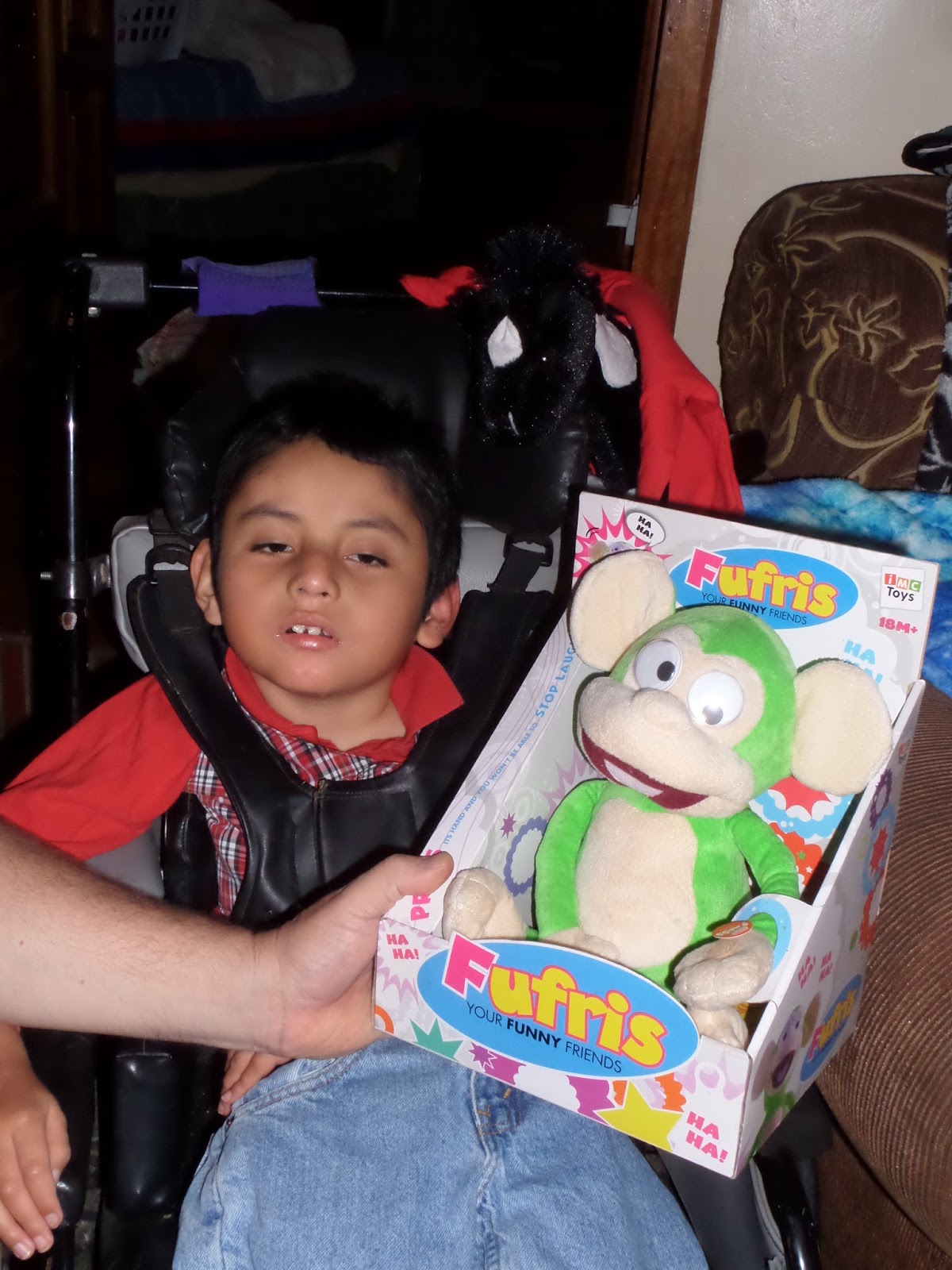
 Two houses down from the church lives the Velasquez family. The father, Diego, gathers firewood and sells it in his community to provide for his wife and children. On a good day, he will make Q.30 (just under $4.00 USD), but most days it is half that. He is trying to feed, clothe and educate his 6 children on that amount, but it is not working. His wife is taking in laundry to help with the family’s income, but she is only making about Q.35 a week. The entire family is skinny and sickly. To make matters worse, one of his son is six years old and has cerebral palsy and a seizure disorder. His anti-seizure medication costs Q.250 a month, over a third of the father’s monthly income. So they are not able to provide it. As a result, he suffers between five and ten gran mal seizures a day.
 Directly across from the church lives an elderly widow. Her husband died around the time the church was being constructed, and his meager income was her only provision. She walks with a bent back and a stick for a cane. Her eyes are covered with cataracts, so she is nearly blind. And each day she makes her way to the local park where she sits and begs, hoping to get enough money to eat for another day.
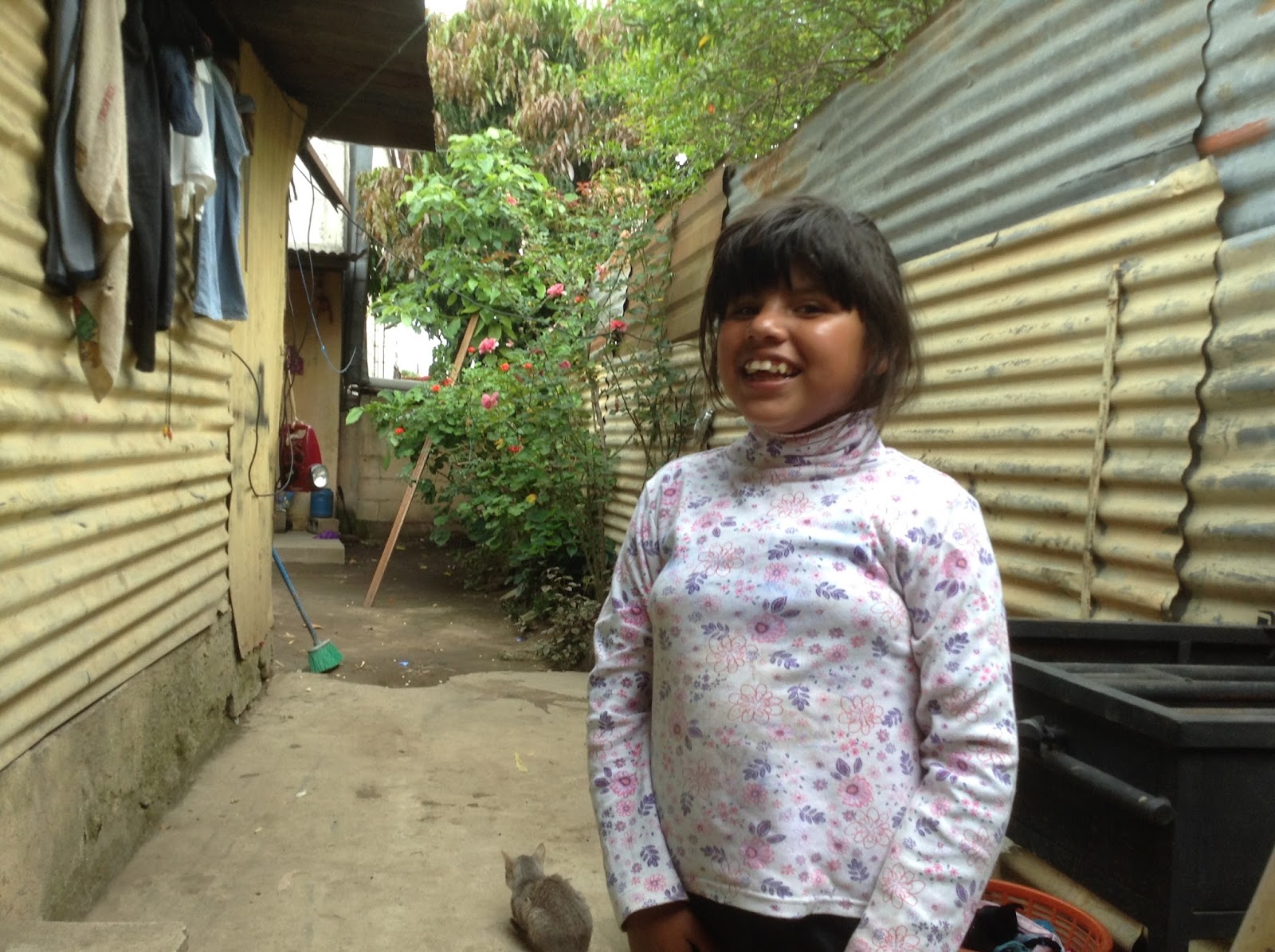
One block over lives a single mother with three children. Her alcoholic husband abandoned her after the last child was born, so life is a challenge. Each day she makes her way to the local market with two little ones in tow and a third swaddled in a blanket on her breast. There she sells hand-made crafts, trying to help her little family survive.
 These are three families in a community filled with others like them. This is Guatemala, so everywhere you turn is poverty, malnutrition and suffering. The average income in this town is around $150 a month, and people are desperate.
And in the midst of this is the Third-World Church and its building that cost around $115,000 to build. (I know! What a great deal!) Every service the music can be heard wafting through the town, and occasionally people will turn their eyes to the source. Some look with cynicism. Others with open hostility. Others with empty eyes, wondering how such a church could ever relate to and help them. So, on a good Sunday, Third-World Church is half-full. A church that was once engaged in their community is now disengaged. Their offerings now go to pay for utilities and upkeep on their wonderful new building.
In most of the communities and villages where we work there is at least one such church. In one community I have counted three. In each case there is a US church behind the construction, and in most cases the church is very ineffective at reaching their community. There are exceptions, but they are rare. In most cases, these building projects have distanced the congregations from their communities and made it more difficult for them to minister.
Please don’t misunderstand me. I am very much in favor of US churches partnering with congregations in the developing world. Indeed, I believe such partnerships are crucial. However, they need to be strategic and careful. And they need to be driven by a heart to produce biblical priorities in the supported church, not US priorities. (Believe me when I say there is a difference.)
So, how can US churches partner effectively with churches in developing countries? I’m glad you asked!
1) Get to know the culture and community surrounding the church. Really listen to the local church leaders who know and understand the culture. Send individuals from your congregation to spend time in the town and in homes. Look past the surface to truly see the needs of both the congregation and the community. You cannot visit a country on a one-week trip, take some snapshots and understand either the problems of a community or the solutions. This requires humility, patience and time. Don’t just jump in with a fundraising campaign and checkbook. Often it will require much more than money to help.
2) Stop having buildings on the brain. The US church tends to have a building fetish. We seem to think that the greatest thing a congregation can do is build a bigger, better building, or at least enlarge their current one. This is our marker for “success.” In a poor culture such as Guatemala, that is not important. Churches meet in courtyards, modified homes or anywhere they can fit enough chairs. The only places you find a preoccupation with buildings are within the churches that have been heavily influenced by US Christians. When you are surrounded by poverty, malnutrition and illness, buildings are not very important. But if you do feel led to assist a church with a better meeting place, keep it modest. Does a building really need to be built, or can you do modifications to their current building? Often $100-300 of lamina and building materials can make a big difference in a church’s current meeting place. If a building REALLY needs to be built, can it be built modestly in a way that blends into the town instead of standing out? And can it be built with a multipurpose mindset with a vision of blessing the community all week long? Think minimal and practical if you think of buildings at all.
3) The most important needs are often not obvious. Things like a lack theological training or social awareness are often overlooked. Sometimes the greatest need of the pastor and church is education in the Word of God because they have not had that privilege in the past. Sometimes they need help understand how the Gospel relates to the poverty and suffering of their neighbors. (There are many pastors here that teach it is not the responsibility of the church to address physical needs, only spiritual ones.) Are their ways your church can help your partnered church gain understanding and education? Word of Caution: As stated above, we need to be careful to make sure we are teaching biblical principal and not US principals.
4) Seek to address needs in ways that allow your role to remain behind the scenes with minimal intrusion. If a Guatemalan church is seen as simply taking money from North Americans it creates resentment in the local people and other churches. When working together to address the needs of the community, do so by providing support to the church and allow them to be the face of the work. The US church does not need another photo op or pat on the back.
5) Partner with a goal of eventual self-sustenance. Help them establish a path to being self-supporting, so they can one day meet the needs of their community without outside assistance. Help them establish local businesses that employ locals and provide funds. And then plan to get out as soon as possible so that you can partner with another church to do the same. Often there are businessmen and women in US churches that can help develop such a plan. Think strategically and sustainably.
As you read through these suggestions, you might be tempted to think that this is a lot of work. It really is. But the reality is that there are no quick fixes to the challenges that churches in developing countries face. It requires long-term investment and carefully thought-out strategies. It requires prayer, seeking God’s guidance and the awareness that even the best intentions can do great damage. In fact, good intentions are destroying this culture and many others like it. But they don’t have to.
Guatemala does not need more or better church buildings. We need more and better churches that are equipped to be the hands and feet of God in the midst of a desperate culture. And your church can help.
Blessings from Guatemala!
Daryl, Wanda and the Crew
![IMG_0863[1]](https://blogger.googleusercontent.com/img/b/R29vZ2xl/AVvXsEjm5P_LTWPx5WbbNiWv_cyOrWr-rjgLonZYY7i24QUs6hOU8YkRS5g0fcLN8KgY4xSLHDgOsOybhOde6kF1sXvxWj9r4Tg63hay-LHA3Ad9tRxEW15l4mc4G48EzmAEXLqIK_AvATVveKE/s1600-h/IMG_0863%25255B1%25255D%25255B3%25255D.jpg "IMG_0863[1]")


 My fear is rooted in the sheer size of the vision that God has placed in my heart. When I was a child, around the age of five, my family and I went to visit the battleship USS North Carolina, and the experience scared me. As I stood on the dock, looking at that towering ship, I felt so very small and insignificant. I remember trembling in awe. It was so big that there was no way I could influence the gentle sway of it in the water at all. That is how I feel right now. There is no way that I can make this vision happen. I am too small and it is too big.


 So this evening I am trying to trust. I have gone over and over the call that God has given, and I do believe we are following that call. We have heard God’s voice and have obeyed, to the best of our abilities, and I believe the unfolding of this ministry is evidence of that. I do not believe this is a fool’s errand or a personal delusion. It is us following God’s path, one step at a time.

 On Monday I was in Antigua for a meeting when I received a call telling me that Phil Bergen was being transferred via ambulance to a private Antigua hospital with a suspected heart attack. I immediately headed there and arrived to find that he had been pronounced dead in the very same room where we lost Thania last July.
 I would not call Phil a close friend, as we never spent much time together. We were both busy with our respective ministries, so we didn’t really have an opportunity to hang out much. But I did consider him an incredible co-laborer for Christ. He and his wife, Judy, established Amor Guate, a ministry in Jocotenango that runs a soup kitchen and after-school program and works with families. We often take our teams over to work in their program, and we have helped families with children who have special needs that they have encountered through their work. Phil and Judy have impacted thousands of lives through their ministry, both here in Guatemala as well as Canada and the United States. Phil was a man of God who had a way of helping people to see their identity in Jesus. He was quick to laugh and cause others to laugh. And the world is a little dimmer without him.
 Then this morning I received word that little Elizabeth (Lizzy) had slipped into the arms of Jesus last night. I wrote about Lizzy in my last blog and explained how we had been asked to take a 10 day old baby with hydrocephalus. We had said “No” due to a lack of manpower and overcrowding, but had referred the courts to Village of Hope, which is run by our friends, Todd and Amy Block. Over the last few weeks they have done a fantastic job of loving Lizzy and getting her the best medical care available. Their daughter, Addisyn, was her primary caregiver, and no little girl has every been loved more.
 So death has visited us twice in the last week, and four times in the last three weeks. Three weeks ago a friend of Manuel was gunned down in the street. Last week we lost Don Jorge, who passed away suddenly. I had just given him a wheelchair the month before, and we are grieving for his widow who now lives alone.
 Here you are involved in the process. When Esperanza died, she stayed with us. We prepared her little body, changed her clothes, placed her in the tiny coffin and kept her in our home until it was time to carry her to the graveyard. When Thania died, I claimed her body (wrapped in a garbage bag) from the morgue. We transported her to the funeral preparation guys who cleaned her, dressed her and placed her in the coffin. We then received the coffin and transported her back to our home for a service and then to her family in Jutiapa. The entire process of dealing with death is very up close and personal.
 That is not the case here. There are violent crimes that fill the headlines. (Two days ago I read that Guatemala has averaged 15 murders a day over the first 100 days of 2015. This, in a country about the size of Ohio.) There are horrible accidents taking lives, and blood filled photographs on the front page of the newspapers to prove it. Many people get sick with treatable illnesses, but are turned away to die by the hospitals because they cannot afford treatment. Or, in some cases, they die because the hospitals don’t have the basic medicines to treat them. People die regularly here because medical personnel don’t have basic training such as CPR. And almost every day children die here of starvation. Death is real and personal here, and very few live with the illusion of protection and safety.